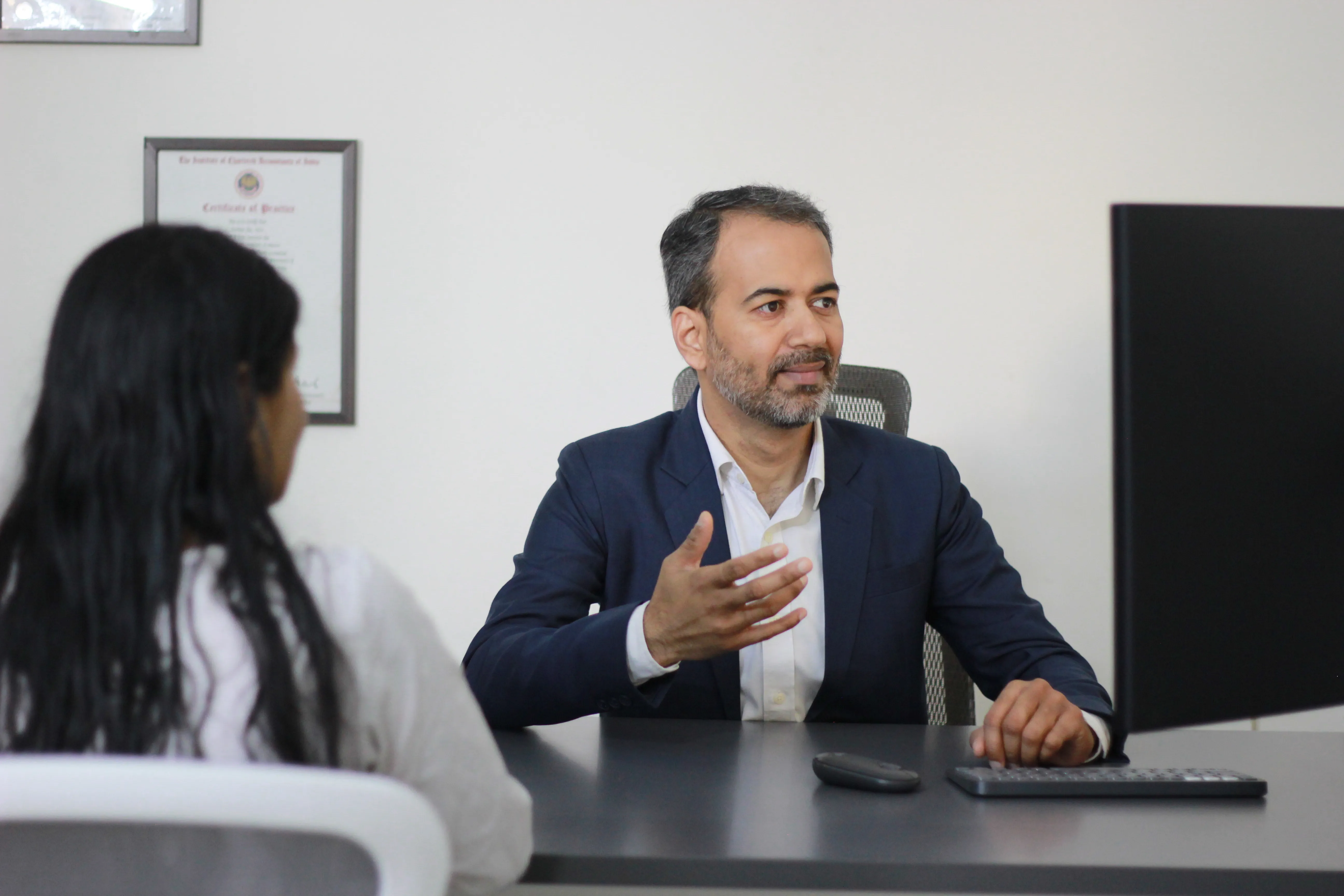
On running a CA practice that codes its own tools.
When I qualified, the conventional wisdom was that a chartered accountant's edge lay in judgement — read the law, read the books, read the room. That is still true. But somewhere along the way, around the fourth time I watched a senior accountant key the same Tally entries into the same Excel template for the same monthly review, I realised the room had changed. The judgement that mattered most was no longer about the entry. It was about whether the entry needed to be made by a person at all.
I started writing tools because I was impatient. The Excel macros came first, then the Python scripts, then VBA forms that became small in-house apps for clients who couldn't yet afford an ERP. When Power Automate and Power BI matured, I built our delivery on top of them. UiPath followed for the heavier lifts. Some of those tools have grown into standalone products — raisebill.com, a billing platform we now operate, is the most public of them. Today our delivery stack is a quiet five-pillar setup — language, automation, analytics, ERP, and the audit toolkit itself — and it runs alongside the same statutory work this firm has done since 2011.
I have been a faculty member for ICAI's Advanced IT module for CA Finalists. That work, more than any single client engagement, taught me that the next generation of finance leaders is going to expect their CA to be conversant in DAX and Power Query the way the last generation expected fluency in Schedule III. The firms that learn to translate between the two will write the brief for the next decade.
We are not a large firm. We have chosen not to become one. Every engagement is partner-led, end-to-end, because that is the only configuration in which judgement and engineering can move at the same speed. The cost of that choice is that we cannot accept every brief that walks in. The dividend is that the briefs we do accept get the firm's full attention, on the first day and the four-hundredth.
If you are reading this, you are likely a founder, a finance head, or a family-business promoter weighing whether we're the right partner. I'd suggest the test is simple: ask us about a process inside your finance function that you suspect has outgrown its current handling. If we can describe both the audit posture and the automation in the same conversation, you are in the right place. If we cannot, we will say so — and tell you who is.
— Pardeep Jha